
Hi! I'm Brianne, LCSW & OCD specialist.
I became a therapist because anxiety is paralyzing. I know that firsthand.
Not in a "I read about it in grad school" way. In a "I called in to work so many times my coworkers noticed and still nobody asked if I was okay" way.
Scroll to meet me, or jump to why you are here
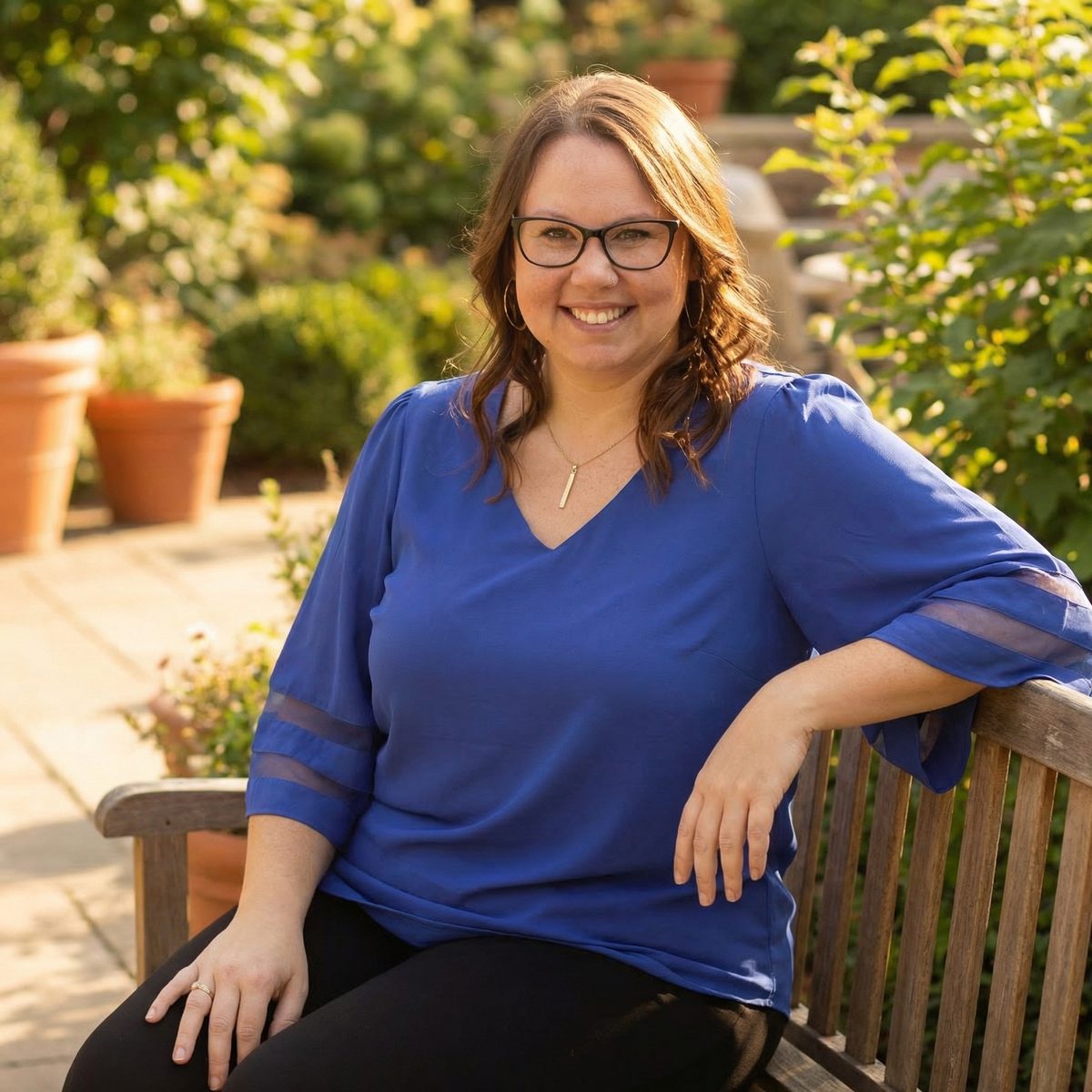
"I know what it's like to spend Sunday night dreading Monday morning."
The real reason I do this work
I have debilitating generalized anxiety disorder and panic disorder with agoraphobia. I am not speaking about anxiety from the outside. I have lived it. I have white-knuckled through workdays, avoided places that felt unsafe, and spent more energy managing my brain than doing my actual job.
I worked in mental health for years before starting Beautiful Minds, and even in that field, I felt like nobody truly understood what I was going through. Colleagues would nod along, but the gap between textbook empathy and lived experience is enormous.
That experience is why I started Beautiful Minds. I wanted to work for myself, in a way that aligned with my own values, with clients I believed in, and without anyone telling me I needed to quiet down about how broken the system is for people who are struggling.
Why I specialize in this and not everything else
Everyone seems anxious right now. That is not an exaggeration. But only a handful of therapists actually know how to treat it correctly, especially when OCD is involved. Most therapists are generalists. They see a little bit of everything and specialize in nothing. That is not a criticism. It is just a different model.
I chose the opposite path. I went deep instead of wide because the work I do in ERP specifically requires that kind of focus. You cannot dabble in exposure therapy. You either know how to do it or you are doing it wrong, and doing it wrong can make things worse.
What drew me to ERP specifically is what it does to the way people think. I have watched clients who came in convinced their brain was permanently broken leave treatment thinking in ways they genuinely could not access before. That shift is one of the most remarkable things I have witnessed in clinical work, and it does not get less interesting after 13+ years.
I chose to practice what I genuinely believe produces meaningful results. Not what is trendy. Not what is easiest to market. What actually works. The research behind ERP, CBT, and ACT is clear, and the outcomes speak for themselves.
You might be here because...
Pick one. I will tell you what I would say if you told me this on the consult.
What working with me actually looks like
I am direct, warm, and irreverent. I show up as myself, and that might mean a sweatshirt and my hair up because we are practicing values-based living that day. It might mean a cardigan that looks exactly like what you pictured a therapist wearing. I have a tendency to communicate in movie quotes and song lyrics, and I will not apologize for that. If you are looking for someone who will nod quietly and say "and how does that make you feel" for 50 minutes, I am not your person.
My approach is clinically aggressive but deeply compassionate. That sounds like a contradiction. It is not. It means I take your treatment seriously enough to challenge you, and I care about you enough to do it with respect. What I hear most consistently from clients is that they felt comfortable with me faster than they expected to.
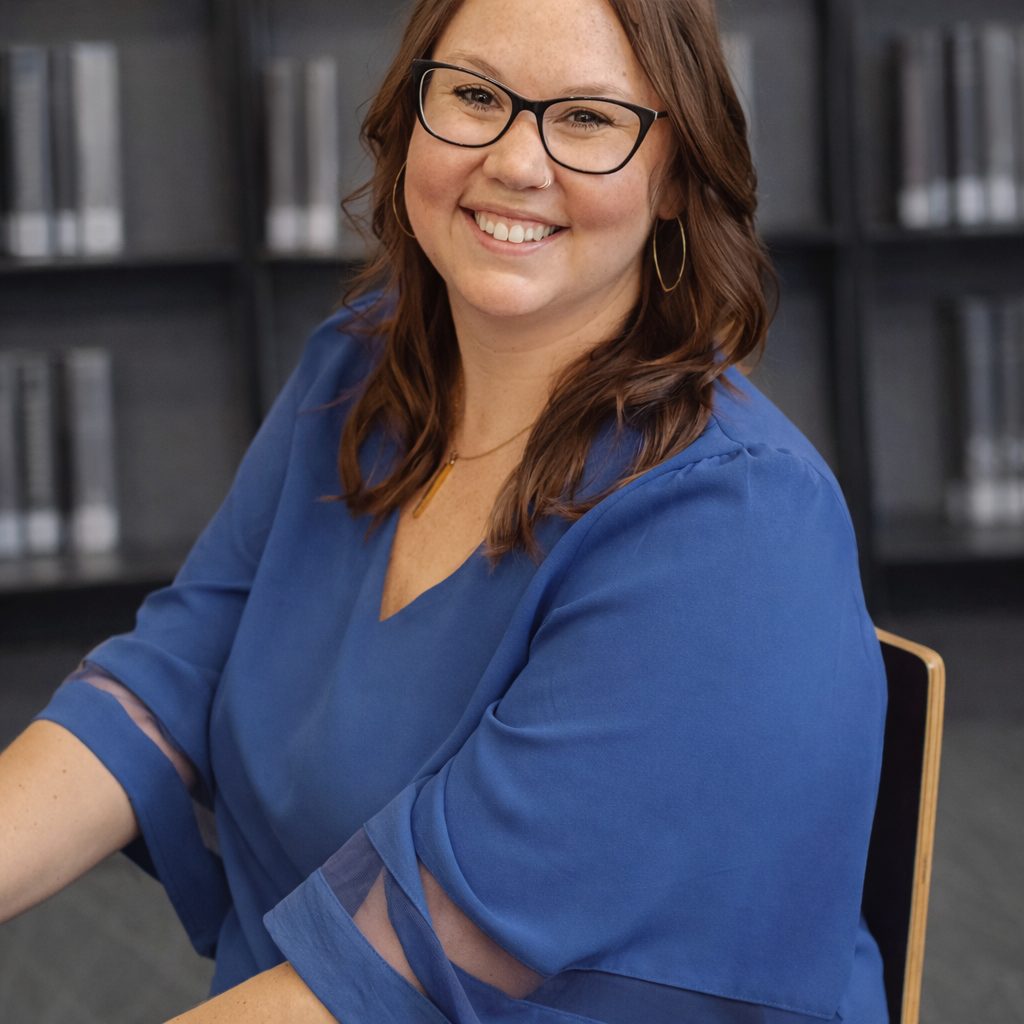
We work collaboratively. This is not a lecture. You are not passive in your own recovery. I bring the clinical expertise, you bring the lived experience, and together we figure out what your specific version of this looks like and how to dismantle it.
Some days you will want to fire me. That is usually a sign we are doing the right thing. ERP is not comfortable. But it works. And I would rather you be temporarily uncomfortable than permanently stuck. When I am not doing therapy things, I am probably watching something I should not admit to or advocating loudly for my dog and cat's extremely specific needs.

What you expect vs. what you get
What you expect
"Tell me about your childhood"
What you get
"What did your brain do with that thought?"
What you expect
Comfortable and validating
What you get
Productive discomfort with someone who actually cares
What you expect
Indefinite weekly sessions
What you get
A plan with a finish line. The goal is to not need me.
What you expect
"Just breathe and think positive"
What you get
"We are going to approach the thing you've been avoiding and train your brain that it can tolerate uncertainty"
How we get started
We talk first
A free 15-minute virtual consult where we figure out if we are a good fit. No commitment. Just a conversation about what is going on and whether I can help.
We assess before we assume
Before we do anything, I need to understand your specific version of what is happening. Not a textbook version. Yours. We do a thorough assessment so I can build a plan that actually fits.
We get to work
Structured, goal-directed sessions using evidence-based approaches. We track progress with real data, not vibes. You will know if this is working because the numbers will show it.
The "official" part
Education & Licensure
I am a Licensed Clinical Social Worker (LCSW) with over 13 years of experience specializing in OCD and anxiety disorders. I completed my Master of Social Work at the University of Wisconsin-Milwaukee and have been licensed for five years.
I am licensed to practice telehealth in Wisconsin, Illinois, and Nebraska. I work exclusively with adults via telehealth.
Clinical Approach
My primary modalities are Exposure and Response Prevention (ERP), Cognitive Behavioral Therapy (CBT), and Acceptance and Commitment Therapy (ACT).
These approaches are evidence-based because the research behind them is clear and the outcomes speak for themselves. I did not choose them because they are popular. I chose them because they produce results in the population I serve.
Affirming Practice
Beautiful Minds is an affirming practice. I welcome and support clients of all sexual orientations, gender identities, and expressions. Therapy should be a space where every part of you is safe. Pronouns are respected and used as you direct. If you have questions about my approach or want to know more before reaching out, I am happy to talk about it on the consult.
Am I the right therapist for you?
- ✓You are dealing with OCD, anxiety, panic, or a specific phobia
- ✓You want treatment that targets the problem, not just helps you cope with it
- ✓You are willing to be uncomfortable in the short term for real change
- ✓You want a therapist who is direct, not one who just nods and reflects
- ✓You are an adult located in Wisconsin, Illinois, or Nebraska
What I'm into right now
Because therapists are people too, and you should know who you are working with.
Currently watching
Something I should not admit to publicly (looking at you, 90 Day Fiance)
Currently reading
I have the problem of starting 12 books at the same time and hopefully finishing one of them before the end of the year. The books I read are all non-fiction and typically crime related (psychopathy is fascinating to read about!)
Ask me about
Why ERP keeps getting more interesting the longer I do it
Current movie quote on rotation
That's gonna leave a mark (Tommy Boy, obviously)
Updated periodically, whenever I remember this section exists.
Ask me this on the consult
Not sure what to say when you book? Here are some conversation starters. Click any of them.
These are real questions I hear every week. Pick one.